Serving Bryan, TX and surrounding areas. (979) 359-2217
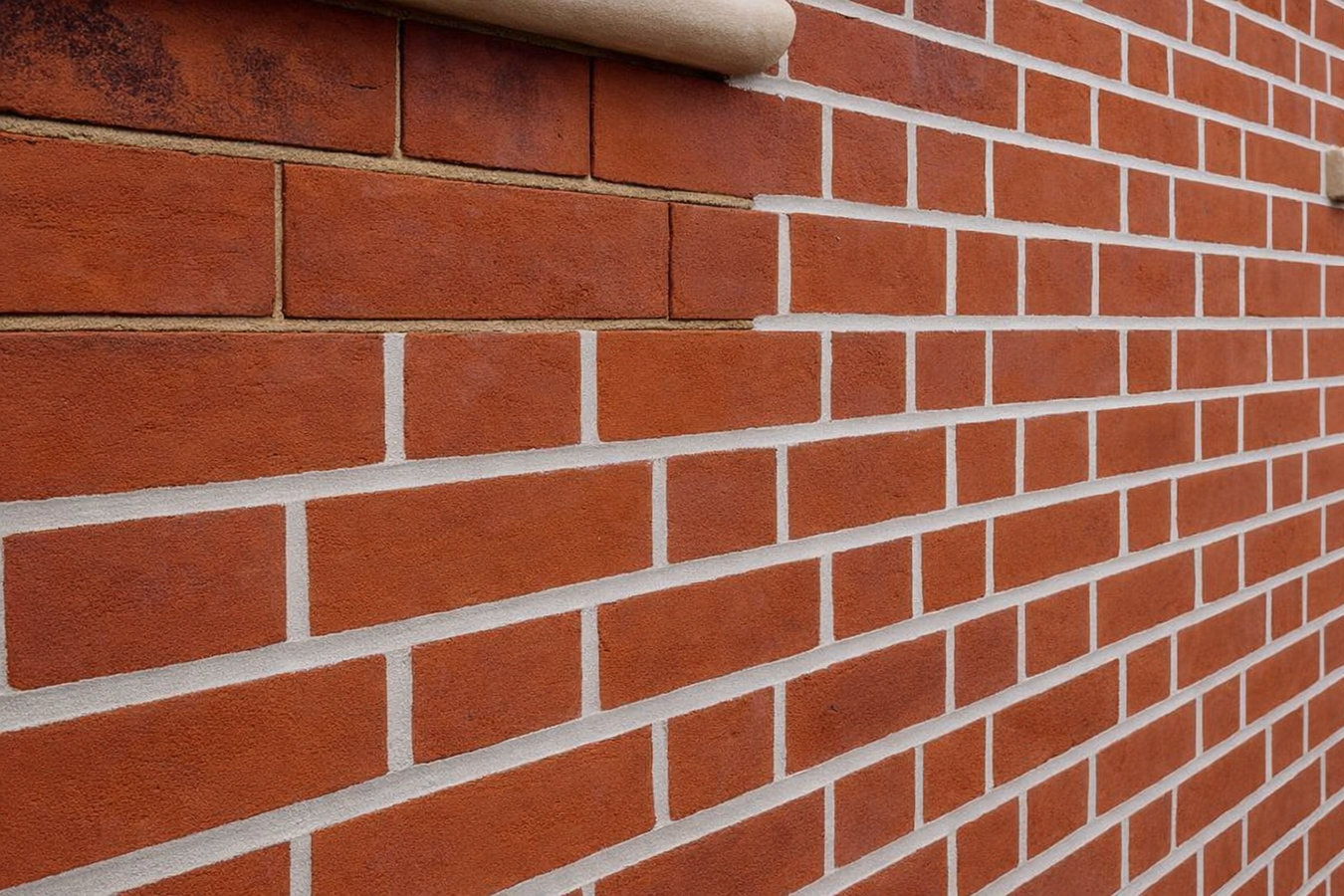
Crumbling mortar between your bricks is not just cosmetic - it is a water entry point waiting to happen. We repoint brick in Bryan, TX with a mortar mix matched to your existing wall, so the repair holds and blends in.
Brick pointing in Bryan, TX means grinding out the deteriorated mortar between your bricks and packing fresh mortar back in, color-matched to your existing wall - the bricks themselves stay in place, and most standard chimneys or single wall sections are done in one to two days.
Mortar is softer than brick by design - it acts as a sacrificial layer that absorbs movement and moisture so the bricks themselves do not crack. Bryan's Blackland Prairie clay soils swell and shrink with every rain and dry spell, which puts constant stress on mortar joints and wears them down faster than homeowners expect. Catching failing mortar early - when you can see gaps or crumbling powder - is almost always far cheaper than waiting until water damage shows up inside the house.
If the damage you are seeing goes beyond the mortar joints and involves bricks that are spalling or cracked, we can also assess whether you need full masonry restoration rather than pointing alone - and give you an honest answer about which approach actually solves the problem.
Run your finger along the lines between bricks. If mortar crumbles away, feels sandy, or you can push a key or fingernail into it, the joint has failed. This is the clearest sign that water is getting in - or will be soon. In Bryan's humid climate, once water finds a gap, the damage moves faster than most homeowners expect.
That chalky white residue is called efflorescence - mineral salt left behind when water moves through the wall and evaporates on the surface. In Bryan, where clay soil holds moisture and pushes it toward foundations, this is a common early warning sign that water is already traveling through failing mortar joints.
Stand back and look at your wall from an angle. If the lines between bricks look noticeably recessed - like little channels rather than flush lines - the mortar has worn away significantly. This is especially common on older Bryan homes built before the 1980s, where original mortar has had decades to erode.
Bryan's clay soil shrinks during dry spells, which can pull the foundation slightly and stress the walls above. If you see diagonal cracks running along mortar joints - especially after a long dry stretch - that is soil movement showing up in your brickwork. Small cracks caught early are a pointing job; ignored, they become a structural conversation.
Every brick pointing job we do in Bryan starts with an honest assessment of what is actually failing. We check how deep the mortar damage goes, whether any bricks are loose or damaged, and - critically for older homes - what type of mortar was used originally. Bryan has a significant number of homes built between the 1940s and 1970s that used softer lime-based mortars. Using a hard modern mix on one of these walls causes the bricks to crack rather than the joints, which is the opposite of what you want. We test and match before we mix, and the finished repair should blend into your existing wall without looking like a patch. We also handle foundation repair assessments when the damage pattern suggests the soil movement is deep enough to affect the structure below the brick veneer.
We repoint chimneys, exterior walls, garden walls, retaining walls, and interior brick features. For chimneys, we also inspect the cap and crown for damage that could be letting water in from the top while you are focused on the sides. Larger projects that combine pointing with structural repairs or full masonry restoration are scoped in a single visit so nothing gets missed.
For homeowners whose chimney mortar has worn down from years of sun, rain, and Bryan's seasonal temperature swings - with cap and crown inspection included.
For homeowners with failing mortar on a brick veneer facade, retaining wall, or garden wall who need the repair to match the existing color and profile.
For owners of older Bryan homes built before the 1970s where the original soft lime-based mortar requires a compatible mix to avoid brick cracking.
Bryan sits on the Blackland Prairie, a region known for highly expansive clay soils that swell when wet and shrink when dry. That constant movement puts stress on brick walls and mortar joints year after year, and homeowners here often see mortar cracking or gaps appearing faster than they would in areas with more stable soil. Bryan's summers push past 95 degrees for months, and the heat index makes it feel even hotter - prolonged heat dries out older mortar and makes it brittle faster than in cooler climates. Walls on the south- and west-facing sides of a home take the most direct sun and tend to need attention sooner. Bryan also does not get brutal winters, but temperatures do dip below freezing several times each winter - the February 2021 freeze reminded a lot of homeowners how fast water trapped in cracked mortar joints can freeze, expand, and push things apart.
We work across the area, including College Station and Hearne. A lot of the brick homes near downtown Bryan and the Texas A&M campus were built with softer mortars that require a careful match when repointing - using the wrong mix on an older Bryan home causes more damage than it fixes. That experience with local construction history is worth asking about when you are getting estimates.
Permit requirements for pointing and masonry work in Bryan are confirmed through City of Bryan Development Services. Mortar type and mix guidance is published by the Brick Industry Association. Standards for mortar compatibility in older masonry are available from the Mason Contractors Association of America.
Tell us what you are seeing - gaps, staining, cracks, or a general concern. We aim to reply within one business day and schedule a free on-site estimate shortly after. You do not need to know exactly what is wrong before you call.
We walk the wall or chimney with you, check mortar depth and type, note any loose or damaged bricks, and explain what we found in plain terms. You receive a written estimate that covers scope, materials, and timeline - including whether color-matching is part of the quote.
You clear potted plants, furniture, or vehicles at least six feet from the wall. The crew removes old mortar using a grinder or chisel - the noisiest part - then cleans the joints and applies fresh mortar in layers. Most jobs take one to three days depending on size.
New mortar needs 24 to 48 hours before it gets wet, and it reaches full strength over about a month. We walk the finished work with you before leaving, and we advise you to avoid pressure washing or applying sealers for at least 28 days so the mortar fully sets.
We walk the wall with you, show you exactly what needs fixing, and give you a written estimate with no obligation before any work starts.
(979) 359-2217We test mortar samples against your existing wall before preparing the full batch. If the color does not match, the repair will stand out on your front wall for years. Taking the time to match color and texture is standard practice for us - the finished job should look like nothing was ever wrong.
A large share of Bryan's brick homes were built before the 1970s using soft lime-based mortars. We assess your existing mortar type before mixing anything, and we use a compatible mix that flexes with the original construction rather than fighting it. This protects your bricks from cracking - which is the damage a mismatched repair causes.
Bryan gets freezes every winter, and water trapped in cracked mortar joints can push brickwork apart when temperatures drop. Getting your mortar joints sealed before cold weather arrives is one of the most cost-effective maintenance steps a Bryan homeowner can take. We can usually schedule fall work faster than spring, before the rush.
We walk every completed project with you before we pack up. You see exactly what was repaired, how it was done, and what to watch for going forward. That walkthrough is not optional - it is how we make sure you are confident in the work before we leave your property.
Repointing done right extends the life of a brick wall by decades and keeps water from getting a foothold behind your veneer. We have been doing this work on Bryan properties long enough to know that the details - mortar type, joint depth, curing time - are what separate a repair that lasts from one that needs redoing in a few years.
When clay soil movement goes deep enough to affect the structure below your brick veneer, foundation repair addresses what pointing alone cannot fix.
Learn MoreWhen mortar damage is paired with spalling bricks or larger structural concerns, full masonry restoration brings the whole wall back to sound condition.
Learn MoreSpring books fast in Bryan - reach out now to lock in your date before the busy season and beat the wait.