Serving Bryan, TX and surrounding areas. (979) 359-2217
Stair-step cracks, spalled faces, and crumbling joints all let water into your walls. We find the cause, fix the damage, and match the repair to your existing brick so the work blends in.
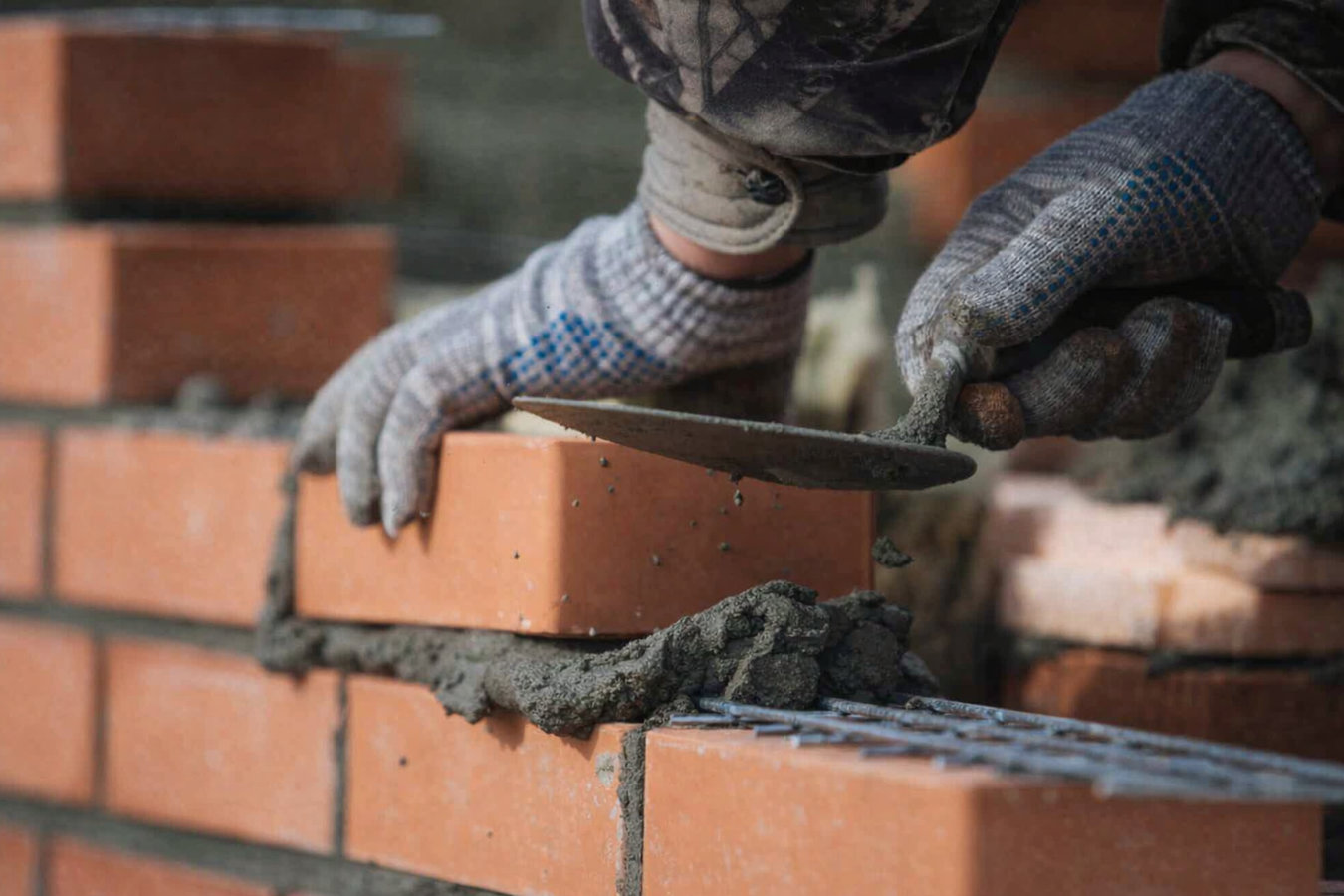
Brick repair in Bryan, TX covers everything from replacing spalled or cracked individual bricks to repointing deteriorated mortar joints and stabilizing sections of wall that have shifted from clay-soil movement. Most single-section jobs are completed in one to three days, with new mortar reaching full strength within 28 days.
The majority of brick damage starts with the mortar, not the bricks themselves. When joints crack or crumble, water works its way behind the wall and the freeze-thaw cycles that Bryan gets in winter accelerate the damage from the inside. Catching it at the mortar stage is almost always less expensive than waiting until individual bricks need replacement.
When the mortar alone is the issue and the bricks are still sound, our dedicated tuckpointing service provides the focused joint repair without replacing any brick. If your project involves broader masonry concerns across multiple surfaces, we can assess the full scope during the estimate visit.
If you see cracks that zigzag along the mortar joints in a diagonal pattern, the ground beneath your home has shifted. In Bryan, this is extremely common because of the clay-heavy soil that swells and shrinks with the seasons. These cracks are entry points for water and should be assessed before the next wet season arrives.
Walk along your exterior brick walls and press your finger gently against the mortar joints. If the mortar feels soft, sandy, or crumbles away easily, it is no longer sealing out water. This kind of deterioration is normal over time, especially on Bryan homes that have been through decades of summer heat and occasional hard freezes.
If the surface of a brick is flaking off in layers or looks pitted where it used to be smooth, the brick has absorbed water and is breaking down from the inside. This is called spalling. Spalled bricks need full replacement - patching the surface does not fix the underlying problem - and the surrounding joints need repointing to prevent it from spreading.
If you can see daylight or a visible gap where brick meets another surface, the wall has moved enough to open a joint. In Bryan, this happens gradually as clay soil shifts through wet and dry cycles. Left alone, these gaps admit water, insects, and eventually lead to more serious structural problems.
Brick repair is not one single task - it is a range of work scoped to what your specific wall actually needs. For walls where only the mortar has failed, we grind out the deteriorated joints and pack in new mortar matched to your existing color and texture, a process known as repointing. For walls where individual bricks have spalled, cracked through, or shifted out of alignment, we remove the damaged bricks, set matching replacements, and repoint the surrounding joints so the repair holds. On older Bryan homes, we pay close attention to mortar hardness because using a mix that is too rigid for vintage brick can cause the bricks themselves to crack over time under clay-soil movement.
When the scope includes joint restoration across a large surface area, our tuckpointing service is the most efficient approach. When your project also includes concrete surfaces such as a driveway or walkway that have shifted from the same soil movement affecting your brick, our driveway pavers service can address the adjacent hardscape at the same time.
For walls where the bricks are sound but the joints have crumbled, cracked, or recessed well below the brick face.
For walls where individual bricks have flaked, chipped, or broken and need full removal and matching replacement.
For Bryan homes where clay-soil movement has produced diagonal cracks along mortar joints, once the movement has stabilized enough to hold a repair.
For brick chimneys where spalled faces, failed crowns, or open joints near the flashing line are letting water into the firebox or attic.
The clay-heavy soil throughout the Brazos Valley is the number-one cause of brick damage in Bryan. That soil swells with rain and shrinks in the summer heat, putting continuous stress on mortar joints and foundations. Many of the stair-step cracks Bryan homeowners call about are a direct result of that movement rather than age or a structural failure. A mason who understands local soil conditions can tell the difference between a crack that is still moving and one that has stabilized - and knowing that difference determines whether a repair will hold or reopen in a season. We work across the metro, including College Station and Hearne, where the same soil and rainfall patterns produce the same brick damage patterns.
Bryan also has a large share of homes built in the mid-20th century - many in Midtown Bryan and neighborhoods near downtown that were developed from the 1940s through the 1970s. Those homes used softer, more porous brick than modern construction. Repairs on vintage brick require a mortar mix that is gentler than modern standard blends. Using the wrong mortar on a 1960s Bryan home can quietly damage bricks that have held up for 60 years. If your home predates 1980, mention that when you call - it shapes how we approach the job from the start. The National Park Service Preservation Briefs provide the technical guidance on mortar compatibility that any contractor working on older masonry should follow.
Tell us where the damage is and roughly how old your home is. Phone photos are genuinely helpful. We reply within one business day and schedule an on-site visit - most brick problems cannot be accurately quoted from a description alone.
A contractor walks the affected area and checks not just the visible cracks, but also the surrounding wall for signs of water damage, foundation movement, or deeper issues. You get an explanation of what they found in plain terms - not trade jargon.
You receive a written estimate that breaks down exactly what work will be done, what materials will be used, and the total cost. If a permit is required for structural work, the contractor will tell you at this stage and explain the process.
The crew removes damaged material, sets replacements, and repoints surrounding joints. At the end of the job, the area is cleaned and you walk the repair together. New mortar needs 24 to 72 hours before getting wet and up to 28 days to reach full strength.
No obligation, no pressure. We reply within one business day and give you a written quote before any work starts.
(979) 359-2217We work in Bryan every week and understand how Brazos Valley clay soil behaves through wet and dry cycles. That context shapes how we assess cracks, whether we recommend repair now or waiting for movement to stabilize, and what mortar type we specify for the repair.
Homes in Midtown Bryan and established neighborhoods near downtown were built with softer brick that needs a gentler mortar than modern construction. We assess your existing material before specifying anything new. Using the wrong mix on vintage brick is one of the most common ways a repair causes more damage than it fixes.
We match the color, texture, and joint profile of your existing mortar so the finished work disappears into the wall. Buyers and home inspectors notice mismatched patches at sale - a well-matched repair protects both your home's appearance and its resale value.
You receive a written estimate that breaks down scope and cost before any crew shows up. No verbal-only quotes, no surprises on the final invoice. The International Masonry Institute sets the workmanship standards we follow, which means you have a professional benchmark behind the price you are quoted.
Taken together, those details mean a repair that holds for years rather than a patch that reopens the first dry summer. Call us or submit a request and we will schedule your assessment within one business day. International Masonry Institute training covers the mortar-matching and repair techniques that separate durable work from cosmetic patches.
Replace cracked or heaved concrete with a paver driveway that handles Bryan's clay-soil movement.
Learn MoreWhen the bricks are solid but the mortar joints need grinding out and repacking, tuckpointing is the focused solution.
Learn MoreBryan's clay soil and winter freezes do not wait - get your walls assessed and protected this fall before water works deeper into the damage.