Serving Bryan, TX and surrounding areas. (979) 359-2217
Crumbling mortar joints let water into your walls. We grind out the old material, pack in color-matched mortar, and seal your brick against Bryan's rain and clay-soil movement.
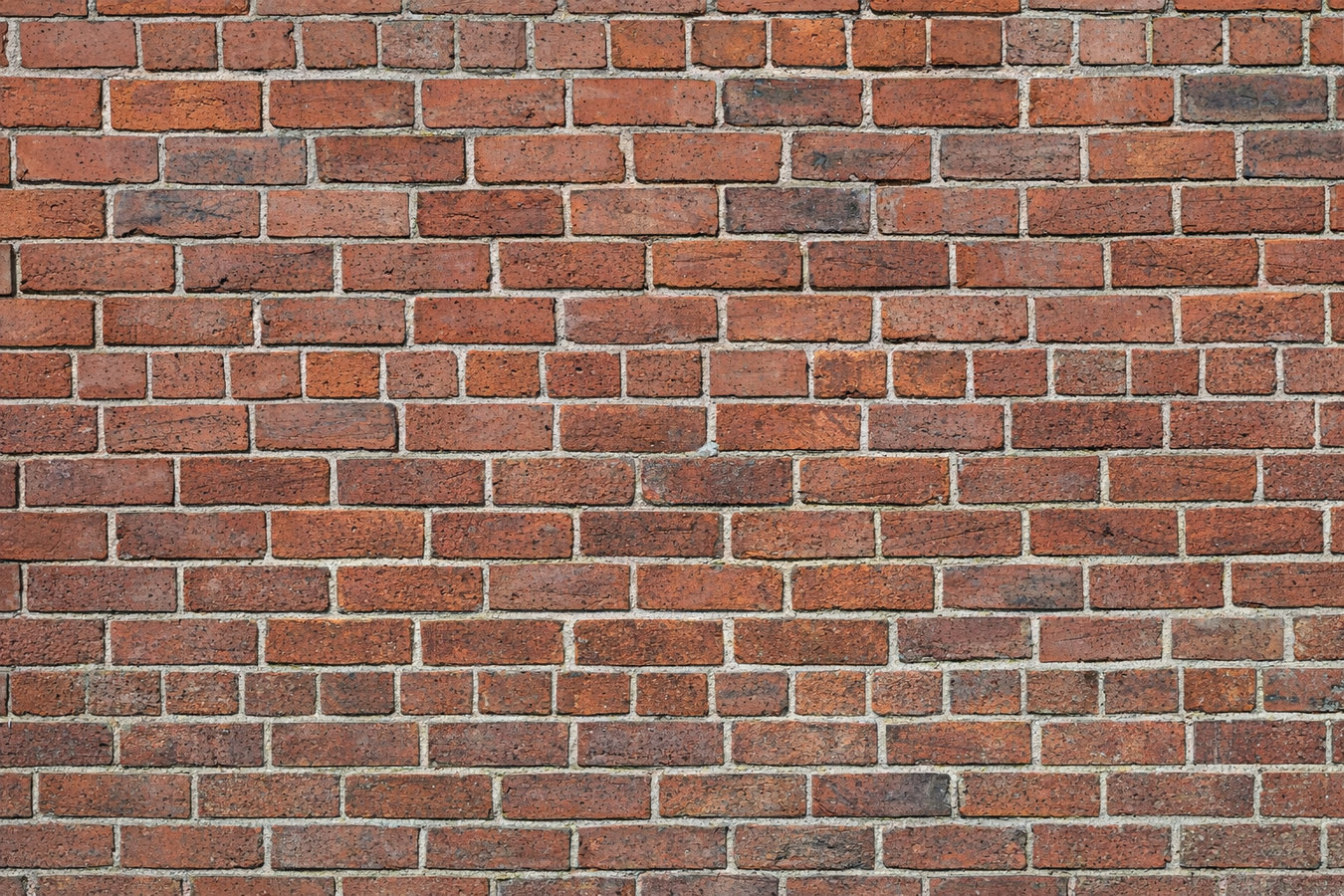
Tuckpointing in Bryan, TX removes failed mortar from brick and stone joints and replaces it with fresh, color-matched material, sealing the wall against water and movement. Most jobs on a single-story home take one to three days, with mortar reaching full strength within 28 days.
If your brick wall or chimney has joints that look recessed, crumbled, or sandy to the touch, water is already getting behind the surface. Left alone, that moisture works deeper with every rain cycle until it reaches your interior walls. Tuckpointing stops that cycle at the joint.
Many homeowners who call about tuckpointing discover related problems at the same time. If your bricks themselves have cracked or shifted, our brick repair service handles the full picture alongside joint restoration.
Stand back from your wall and look at the thin lines between the bricks. If those lines look jagged, recessed, or are falling out in small chunks, the mortar is failing. You should not be able to poke a key or finger into the joint - if you can, it needs attention now.
Bryan has a large share of brick homes from the 1950s through 1970s, especially in neighborhoods near downtown and College Hills. Mortar from that era has had 50 or more years of Brazos Valley heat, humidity, and clay-soil movement working against it. Even if it looks fine from a distance, close inspection often reveals joints that are soft and sandy.
Bryan's clay soils shrink significantly during dry summers and swell back after rains. That movement stresses mortar joints year after year. If you spotted new cracks after a long dry summer or after the February 2021 freeze, those cracks are active water entry points before the next wet season.
That chalky white residue is efflorescence - mineral salts left behind when water moves through the masonry and evaporates on the surface. It is a reliable early warning that water is traveling through your brick wall, which almost always means the mortar joints are no longer doing their job.
Our tuckpointing work starts with grinding or chiseling out the old mortar to a consistent depth - deep enough for a solid bond, careful enough not to disturb the bricks. We then assess the color and hardness of your existing mortar before mixing anything new, because a mismatch in hardness can force cracks into the bricks themselves over time. The new mortar is packed in layers and tooled to match the profile of your existing wall. If some joints are still intact and only a portion of your wall needs attention, we repoint only what is failing - not the entire surface.
For walls where individual brick faces have also chipped, spalled, or shifted, our brick repair service handles brick replacement alongside joint work. For walls and chimneys where the joint profile needs precision finishing after structural repair, our brick pointing service provides the finishing step that makes the work invisible.
Best for older homes where most or all of the mortar joints have deteriorated across a broad section of exterior wall.
Suited for brick chimneys where joints near the crown or flashing line are crumbled and letting water into the firebox or attic.
For homes where only a specific section - a corner, a foundation course, or a section below a window - has failed while the rest is still solid.
For mid-century Bryan homes where the mortar type and texture need to be carefully replicated to preserve the original appearance and avoid brick damage.
Bryan sits on clay-heavy soil that swells after rain and shrinks during dry stretches. That constant movement puts stress on mortar joints in foundations, chimneys, and exterior walls. Combined with over 60 inches of annual rainfall and long stretches of summer humidity, Bryan homeowners often see mortar deteriorate faster than the 25- to 30-year lifespan quoted in national guides. Inspecting your brick every 10 to 15 years is a reasonable habit here. We serve homeowners across the area, including College Station and Brenham, where similar soil and climate conditions affect masonry in the same ways.
Bryan also has one of the highest concentrations of mid-century brick homes in the Brazos Valley. Neighborhoods like College Hills and Breezy Heights have significant numbers of 1950s- through 1970s-era brick homes where the original mortar is now 50 to 70 years old. Mortar of that age in this climate is almost always past the point where inspection and likely repointing is overdue. If your home was built before 1980 and the joints have never been touched, the odds are high that at least some sections need attention. The good news is that catching it before the next rainy season is far less expensive than repairing water damage after the fact. Learn more about the Brick Industry Association standards that guide proper mortar selection for Texas climates.
Tell us where the brick is located and roughly what you are seeing. We reply within one business day and schedule a time to look at the wall in person - because tuckpointing scope cannot be quoted accurately from a photo alone.
A mason walks the affected area, probes the joints to gauge depth of damage, and checks your existing mortar color and texture. You receive a written estimate before any work starts - no verbal-only quotes.
The crew removes old mortar to a safe depth, then packs in fresh mortar in layers, tooling each joint to match your wall profile. Dust and debris are cleaned up at the end of each day.
Walk the finished work with your contractor before they leave. New mortar needs 24 to 48 hours before it can get wet and up to 28 days to reach full strength - your contractor will explain what to avoid during that window.
Written estimates only. No obligation, no pressure. We reply within one business day.
(979) 359-2217We assess your existing mortar before mixing anything new. Using mortar that is harder than your bricks forces cracks into the brick itself when the wall moves - a common and costly mistake. We match hardness and texture so the repair holds without damaging what is already there.
We have been working on brick homes across Bryan and the Brazos Valley since 2018. We know the clay soil conditions, the mid-century housing stock, and the seasonal windows that produce the best curing results in this climate.
Stark white joints on an older brick home are a sign the contractor skipped the matching step. We test the color and texture of your existing mortar before mixing a single batch. The finished work should blend in - not announce itself.
We carry full general liability coverage on every job. The Mason Contractors Association of America sets the industry standards we follow for material selection and workmanship, giving you a contractor held to a professional benchmark.
Every one of those details adds up to a repair that lasts 20 to 30 years instead of one you are calling about again in five. Call us or submit a request and we will schedule a visit within one business day. Mason Contractors Association of America membership signals a commitment to industry best practices that matters when you are hiring for a job meant to last decades.
Fix cracked, spalled, or displaced bricks alongside joint restoration for a complete wall repair.
Learn MorePrecision mortar joint finishing for walls where the brick faces are sound but the joints need sealing.
Learn MoreFall is the best window for tuckpointing in Bryan - book now and your mortar will be cured and sealed before the next wet season hits.