Serving Bryan, TX and surrounding areas. (979) 359-2217
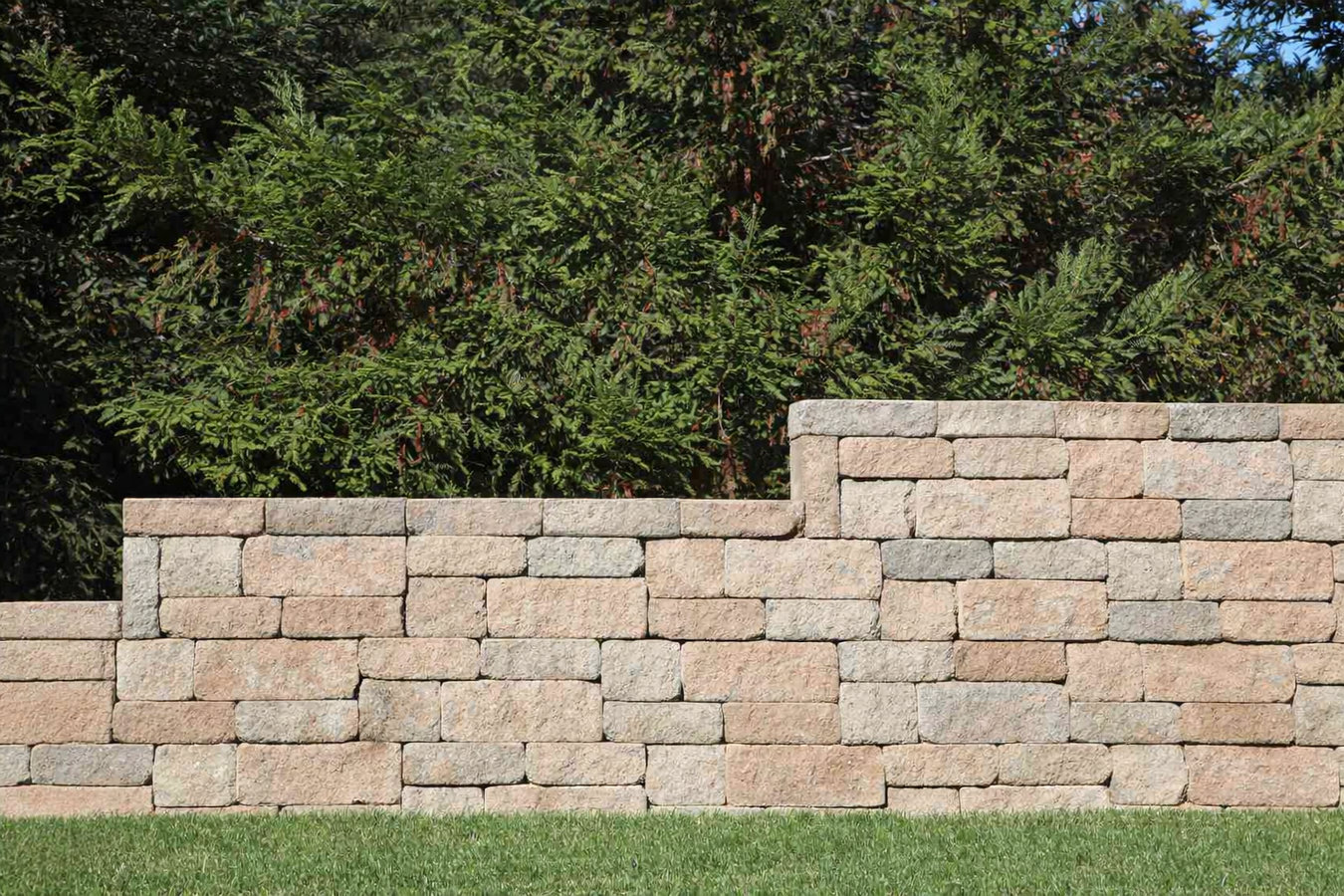
Losing soil to every rainstorm, or watching a slope slowly shift? We build retaining walls in Bryan that hold back the ground, protect your foundation, and handle the local clay soil and heavy rain season after season.
Retaining wall construction in Bryan, TX means excavating the base, building a drainage layer behind the wall so water does not push it outward, and then constructing the wall itself from concrete block, natural stone, or poured concrete - most small to mid-size walls take two to four days once the crew is on site.
A retaining wall holds back soil on a slope so it stops sliding, eroding, and washing away after every storm. Bryan homeowners often contact us after trying to landscape the same slope two or three times and watching the plants and mulch wash downhill each wet season. The slope is the problem - a wall fixes it at the source. Once it is in place, you get a stable yard, redirected runoff, and landscaping that actually stays where you put it.
For larger projects that involve both a wall and surrounding hardscape, we also handle masonry restoration and concrete block walls so everything gets done by one crew.
A trail of dirt or mud on your driveway, sidewalk, or street after every significant rain means your yard is losing soil. Bryan's heavy summer storms accelerate this erosion quickly, and what starts as a minor nuisance can become a significant slope failure within a few seasons. A retaining wall stops the movement at the source.
Walk your yard after a dry spell and look for areas where the ground looks lower than it used to, or where the slope seems to have shifted. Bryan's clay soil shrinks during dry summers and can create subtle but real changes in grade over time. Dips, humps, or bare patches on a slope that used to look smooth are signs the soil is moving.
When a slope does not have a wall to redirect runoff, water collects at the lowest point - often right next to your house or fence. Standing water near a foundation is a serious concern in any climate, but especially in Bryan where summer storms can deliver large amounts of water quickly. A retaining wall redirects that flow before it reaches your structure.
If you already have a retaining wall and can see it leaning forward, notice cracks running through the face, or see gaps opening between sections, the wall is under stress it was not designed to handle. This usually means the drainage behind it has failed or the original construction was not adequate for your soil conditions. Waiting typically means a full replacement rather than a repair.
We build retaining walls from concrete block, natural stone, and poured concrete. Each material has a different look, price, and lifespan, and we will walk you through the tradeoffs before anything is decided. Concrete block is the most common choice for Bryan homeowners because it handles the clay soil well and is cost-effective for most residential slopes. Natural stone suits older Bryan properties and tends to look better alongside traditional brick homes near downtown. For properties that also need broader concrete work, we can pair a retaining wall project with our concrete block wall service or masonry restoration work on existing structures.
Every wall we build includes a drainage layer behind it - gravel and a pipe that lets water escape rather than build up pressure against the face. This is the single most important thing a retaining wall contractor can do, and it is the first thing that gets skipped when a contractor is cutting costs. We also handle the City of Bryan permit process when required, so the project is properly documented and inspected.
For slopes with active erosion, drainage problems, or yards that have never had a wall to hold back soil.
For existing walls that are leaning, separating, or have drainage failures behind them that cannot be fixed without rebuilding.
For walls with isolated damage - a cracked section, a loose cap course, or minor leaning that has not yet compromised the full structure.
Bryan's expansive clay soil is one of the main reasons retaining walls are a common need in this area. The soil swells when it gets wet and shrinks during dry spells - that constant movement puts unusual stress on any structure holding back a slope. On top of that, Bryan averages around 40 inches of rain per year, and the summer storm season can deliver several inches in a single afternoon. A wall that was built without proper drainage behind it cannot handle that water load for long. This is why the base preparation and drainage design matter so much here - more than they would in a drier region with sandier soil.
We work across Bryan and nearby communities, including College Station and Huntsville. Bryan has also seen significant residential growth in recent years, and newer subdivisions sometimes have graded lots with slopes that were not fully stabilized during development. If your home was built in the last decade and you are already seeing erosion, that is often a problem from the original grading rather than something you caused. A retaining wall addresses it permanently.
Permit requirements for retaining walls in Bryan are managed through City of Bryan Development Services. For retaining wall design standards, the National Concrete Masonry Association publishes widely used guidelines that cover segmental retaining wall systems.
We schedule a time to walk your slope in person - never just give a price over the phone. We take measurements, ask about drainage problems you have noticed, and put together a written estimate that breaks out labor, materials, and any permit fees. You should receive this before committing to anything.
If your wall requires a city permit - common for taller walls in Bryan - we submit the application and wait for approval before scheduling the work. This step typically adds one to two weeks. We handle the process and keep you updated on timing.
The crew marks the wall location, clears the area, and digs out the base. This is the noisiest part of the project. We compact the base in stages designed for Bryan's clay soil, which requires going deeper than standard in most other areas.
The wall goes up in courses with drainage material installed behind it as we go. After the wall is complete, the crew backfills, grades the surface, and cleans up. We walk you through the finished wall, show you where the drainage outlets are, and explain what to watch for in the first rainy season.
Free on-site estimate, written quote before you commit, permits handled. We respond within one business day.
(979) 359-2217The number one reason retaining walls fail in Bryan is water pressure building behind them. Every wall we build includes a proper drainage layer - gravel and pipe - so water escapes rather than pushing the wall outward. This is not optional in our process - it is standard.
Bryan's heavy clay soil swells and shrinks with every wet and dry cycle. We dig deeper and pack more compacted aggregate into the base than you would need in sandier soil. That extra work is what keeps a wall straight and stable through years of Texas weather.
We handle the City of Bryan permit application and track approval before any work begins. That means a city inspector reviews the work - giving you an independent set of eyes on the project at no extra cost. It also means the work is documented, which matters when you sell.
We follow practices aligned with the Masonry Contractors Association of America, which sets industry standards for structural masonry work. That commitment shows in how we approach base preparation, drainage, and material selection on every project.
We are a local masonry crew that works in Bryan regularly. When we give you an estimate, we already know the soil conditions, the typical permit timeline, and what a finished wall in your neighborhood needs to look like to hold up through years of Brazos Valley weather.
Restore aging masonry structures - walls, columns, and facades - to structurally sound condition before further damage spreads.
Learn MoreDurable concrete masonry unit walls for property boundaries, privacy screening, and structural applications on residential and commercial sites.
Learn MoreFall and spring slots fill quickly - reach out now before the summer storm season arrives and the schedule fills up.